Known by a host of names including Umganu, Mupfura, Tsua, Morula, Mng’ongo, Mafula, Nkula, and Ol-mangwai, the Marula tree is a popular and cherished African tree found across many countries on the continent. Thriving in medium to low altitudes, its remarkable drought resistance makes it ideally suited to the climates of Namibia, Botswana, Zambia, and Zimbabwe. More than just a tree, the Marula is a cornerstone of African culture, with every part—from its leaves and bark to its roots and fruit—extensively used in food, traditional medicine, and spiritual practices.
In this insightful video, we explore fifteen incredible and diverse uses of this remarkable tree.
The 15 Fascinating Uses of the Marula Tre
Medicinal and Health Benefits:
- Cures Stomach Aches and Intestinal Obstruction: The roots are traditionally prepared to alleviate stomach pains and clear blockages.
- A Test for Intestinal Obstruction: In some cultures, a concoction from the tree is cooked with Isitshwala/Sadza/Ugali as a traditional way to test for intestinal obstruction.
- Porridge Additive: The leaves are consumed as a tea or added to porridge as a fortifying nutritional supplement.
- Body Strengthener: When taken with indigenous beer, parts of the tree are believed to act as a body strengthening tonic.
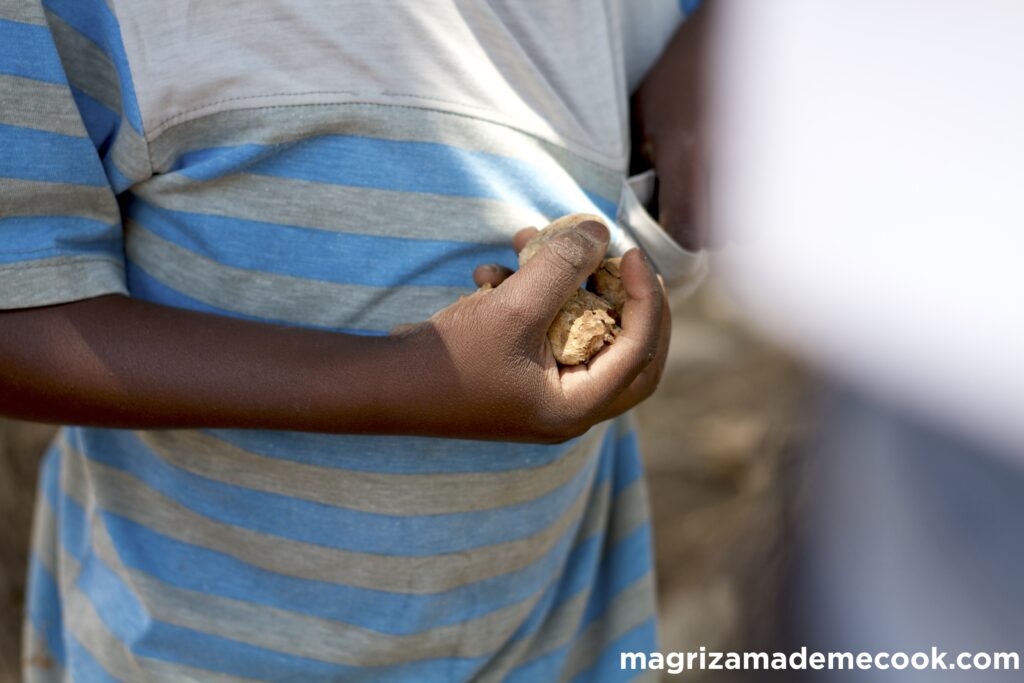
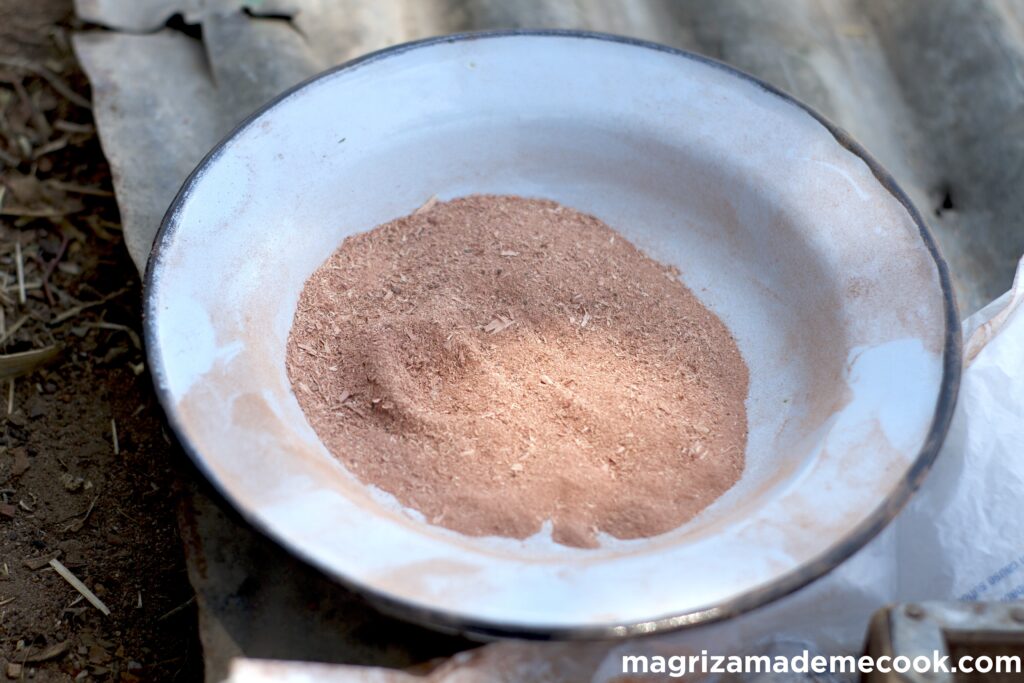
- Cures Stomach Aches (Ash): The ash from the burnt skin of the fruit is a powerful traditional remedy for curing stomach ailments.
Culinary and Household Uses:
6. Okra Cooking: The ash from the burnt fruit skin is also used to cook Okra, enhancing its flavor and texture.
7. Condiment: Various parts of the tree and fruit are prepared as condiments to add flavor to meals.
8. Meat Preservative: The oil extracted from the seed kernels is applied to dried meat (biltong) to act as a natural preservative.
9. Marula Beer and Liqueur: The famous Marula fruit is fermented to produce a potent traditional Marula beer and the internationally renowned liqueur, Amarula.
Spiritual and Communal Roles:
10. Gender Prediction: In selective cultures, the tree is used in rituals to determine the gender of an unborn baby.
11. Communication with Ancestors: The tree serves as a sacred medium for communicating with one’s ancestors, linking the spiritual world with the living.
12. Venue for Community Gatherings: Its broad canopy and cultural significance make it an ideal spot to host an Indaba (community meeting).
13. Church Gatherings: In certain denominations, the tree is a cherished venue for church gatherings and spiritual services.
Ecosystem and Beauty:
14. Attracts Pollinators: The tree’s flowers are crucial for attracting pollinators, supporting the local ecosystem.
15. Skin, Hair, and Body Oil: The precious oil from the seed kernels is cold-pressed and highly prized for its use on the skin, hair, and body, valued for its rich antioxidants and vitamins.
The Marula tree is a testament to the symbiotic relationship between African people and their natural environment, providing food, medicine, spiritual connection, and so much more.