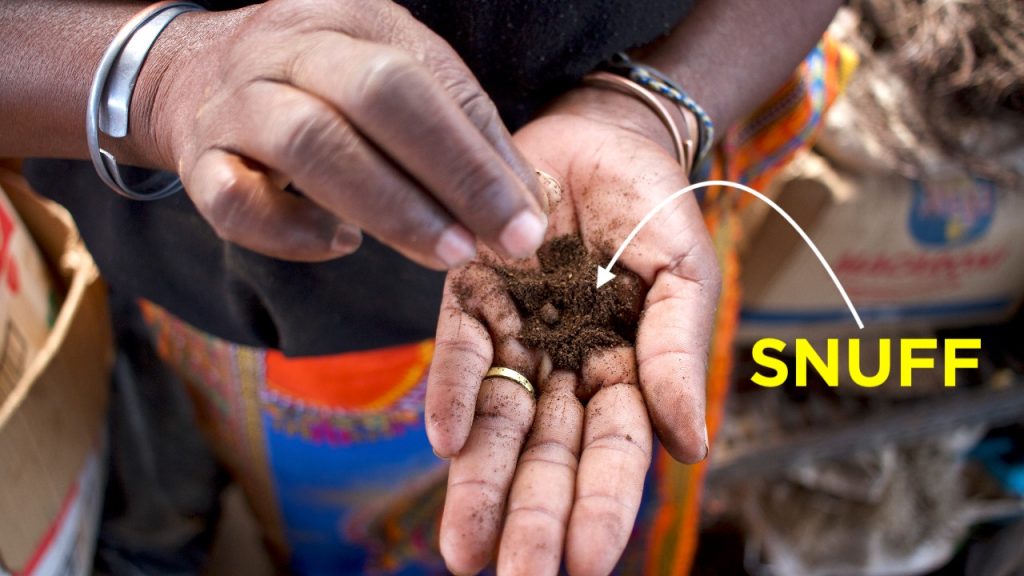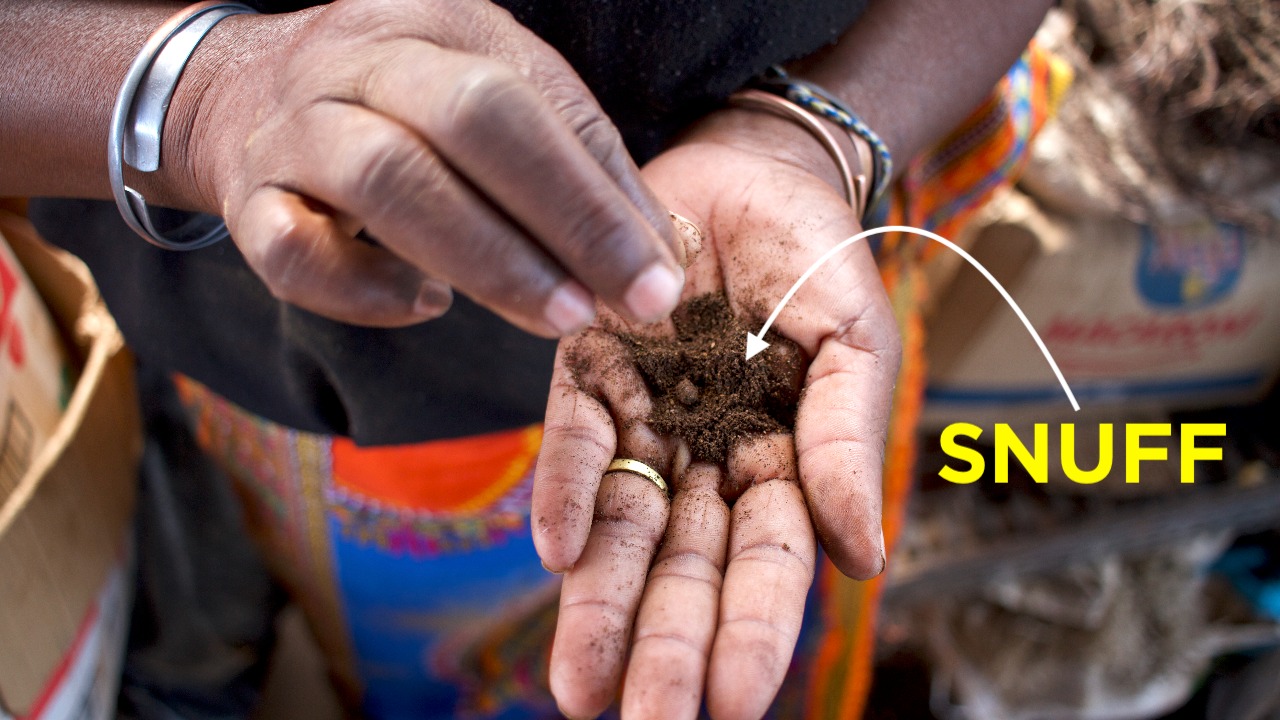
In many Southern African cultures, tobacco, particularly in the form of snuff, transcends its conventional use and holds a profoundly important role in spiritual and ancestral interactions. It is considered a sacred medium for connecting with ancestral spirits (amadlozi, amadloti, vadzimu), who are believed to be intimately involved in the lives of their living kin—responsible for their well-being, good fortune, and, at times, misfortune.
The ritual use of snuff is central to these spiritual practices. During important gatherings and ritual feasts, ancestors are invoked, honored, or appeased through various offerings. In these ceremonies, tobacco snuff is a customary and ideally served element, acting as a form of communication and a sign of respect. The offering of snuff is a way of seeking guidance, expressing gratitude, or asking for intervention in times of trouble. This practice highlights the deep-seated belief that the spiritual world and the living world are inextricably linked, with tobacco serving as a powerful bridge between the two.