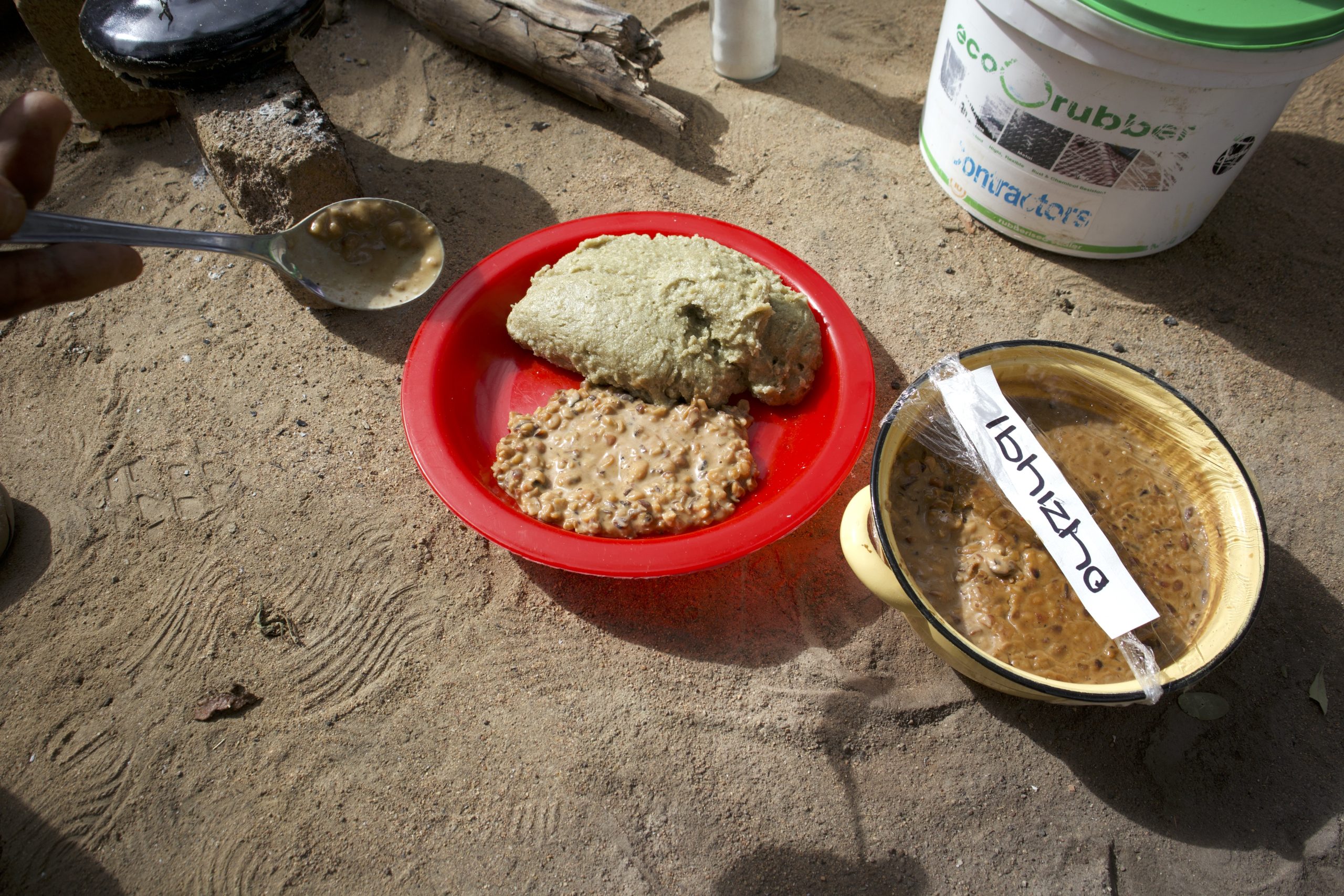
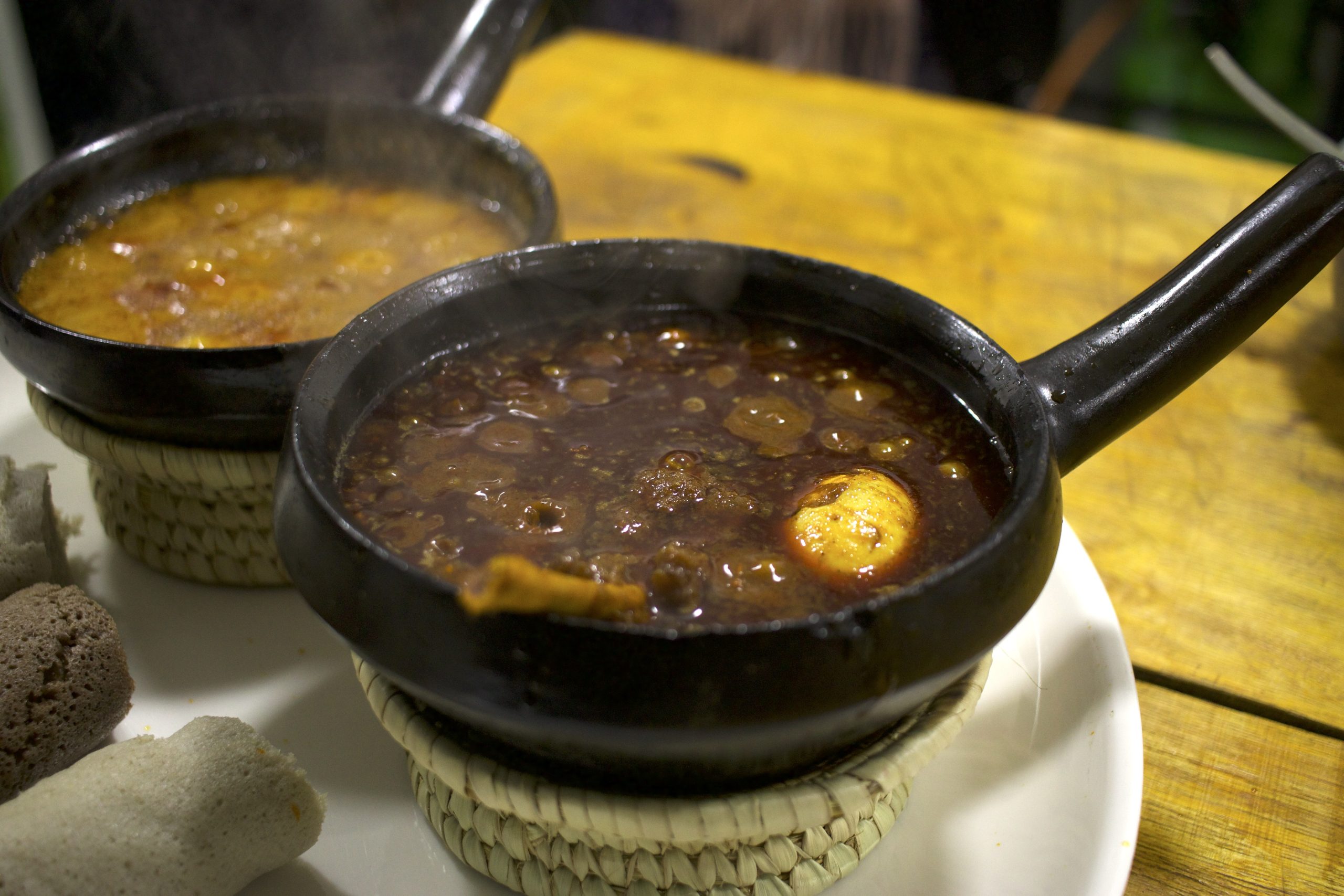
African cuisine, despite its rich diversity and deep cultural roots, often remains the world’s least adopted. This paradox prompts two critical lines of inquiry: Is the primary barrier the reluctance of Africans themselves to fully embrace their culinary heritage? Or do the pervasive legacies of colonialism and slavery continue to cast a long shadow, shaping unfavourable perceptions and promoting the adoption of foreign culinary traditions?
Consider the stark reality: English cuisine enjoys widespread popularity in Zimbabwe, while French food dominates in Francophone nations like Mali and Senegal. This isn’t merely a coincidence. Colonisers not only plundered native resources but actively undermined local food systems and traditions, creating a lasting disjunction with indigenous culinary practices.
The Educational Blind Spot
This historical bias persists strongly within Africa’s culinary education. Culinary schools across the continent, including those in Zimbabwe, predominantly prioritise teaching European cuisine. Despite the widespread academic discourse on decolonisation, only a marginal amount of time is dedicated to local cuisines. Imagine the transformative impact if these institutions shifted their focus, dedicating the majority of the year to African food and perhaps a single week to European dishes. This would mirror the corporate world’s limited appreciation for African cuisine, often confined to token gestures on days like Africa Day or South Africa’s Heritage Day. Shouldn’t this embrace of indigenous food be a daily, normal practice for Africans?
Accessibility and Perception in Urban Spaces
The challenge extends to accessibility within urban landscapes. African foods are significantly easier to find in townships than in the core business districts of Zimbabwe’s major cities. This pattern is replicated across South Africa, Botswana, Namibia, and other African nations. While you can effortlessly find non-local cuisine in Bulawayo’s CBD, discovering native delicacies often requires a deeper search into local communities. The same disparity holds true for travel and public institutions: flights, buses, hotels, and schools rarely feature traditional African meals. A visitor from London has a near-certain chance of enjoying an English breakfast at a Nyanga hotel, but a traveler from Namibia’s Kunene Region wouldn’t expect to find Oshuungu served in a New York hotel. This raises a fundamental question about what constitutes “appropriate” food for public consumption and representation.
A Call for Culinary Reclamation: Ubuntu and a New Food System
The future of African cuisine hinges on its own people. Young Africans must rise to the occasion, embracing and taking immense pride in their culinary heritage. Without their active support, Africa’s rich food legacy risks being lost forever. It is imperative that knowledge about indigenous food preparation is preserved and actively transferred from adults—especially grandparents, village elders, and historians—to younger generations. Meaningful conservation is impossible without robust data and living knowledge. As the primary proponents of their own culture, Africans must first and foremost embrace their food, proudly eating and carrying local dishes.
No one wants to see an African chef from Malawi presenting French cuisine at an international cooking competition. The world wants to see Malawian cuisine! This shift in mindset is crucial. Furthermore, the future African food industry must embody a high level of UBUNTU – “I am because we are.” This philosophy calls for food preparation that is deeply aligned with human connectivity and nature. Africa needs a new food system: one that is for Africa and all its nationals, one that revitalizes our societies, cultures, values, and livelihoods. Returning to these traditional techniques, while challenging, is not just a nostalgic pursuit; it represents the only truly healthy and sustainable alternative for our future.